How the Current Conflict Between the U.S., Iran, and Pakistan Could Impact Nature and Climate
While the headlines today are dominated by reports of escalating military conflict involving the United States and Iran, with protests and tensions spreading into Pakistan, the environmental costs of war are often overlooked. Conflicts affect not just people, economies, and peace they leave lasting scars on nature and the climate too.
Current global tensions include significant military actions by the U.S. and allied forces in Iran, widespread disruptions across the Middle East, and domestic unrest in Pakistan related to the conflict.
🌱 1. War Increases Greenhouse Gas Emissions
Militaries are among the largest institutional emitters of greenhouse gases. Heavy equipment — tanks, aircraft, naval ships, and ground vehicles — consume enormous quantities of fossil fuels. Combustion of jet fuel, diesel, and explosives releases carbon dioxide (CO₂), soot, and other climate-warming pollutants directly into the atmosphere.
For example, studies of other conflicts have shown millions of tonnes of CO₂ emissions directly attributable to combat and military activity — on a scale comparable to the annual carbon emissions of small countries.
💧 2. Land, Water and Air Pollution
When cities, industrial sites, or transportation infrastructure are bombed or destroyed, toxic substances are released. Chemical contaminants can:
Pollute soils, making them unsuitable for agriculture.
Leach into waterways, harming aquatic ecosystems and contaminating drinking water.
Release harmful particles that degrade air quality.
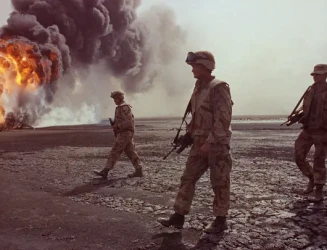
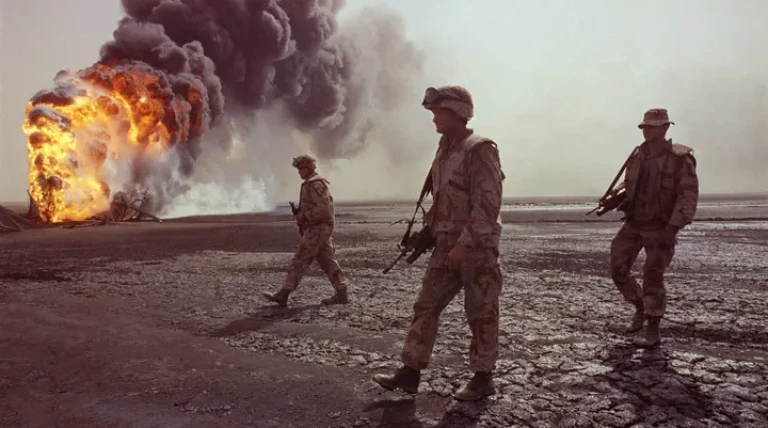
After industrial sites and fuel depots burn — as seen in past wars — harmful soot and chemical residues spread hundreds of kilometers beyond the conflict zone.
🌳 3. Habitat Destruction and Biodiversity Loss
Conflict zones often suffer from:
Deforestation and vegetation loss due to military clearing.
Disruption of wildlife corridors.
Damage to sensitive ecosystems like wetlands.
These changes reduce the Earth’s ability to absorb carbon and support biodiversity. Once forests and grasslands are damaged by heavy machinery or cleared for strategic reasons, recovery can take decades — or may not fully occur at all.
🐾 4. Long-Term Ecosystem Damage
Beyond immediate destruction, the environmental legacy of war includes:
Landmines and unexploded ordnance that prevent land restoration and agricultural recovery.
Fragmentation of ecosystems, which harms plant and animal populations.
Increased illegal exploitation of natural resources when governance breaks down.
🌡️ 5. Wider Climate Feedbacks
Large-scale conflicts can divert international attention and funding away from climate action. Resources that might be used for renewable energy, conservation, or climate adaptation may instead be directed toward military spending — slowing global progress toward a stable climate.
🌿 Why This Matters to Africa and the World
Even if the current conflict is happening thousands of miles away, its environmental and climate ripple effects are global:
Higher greenhouse gas emissions contribute to global warming, affecting weather patterns in Africa and beyond.
Disrupted oil markets (due to conflict in the Middle East) can lead to increased reliance on fossil fuels elsewhere.
Pollution and ecological disruption undermine global biodiversity — a shared global commons.
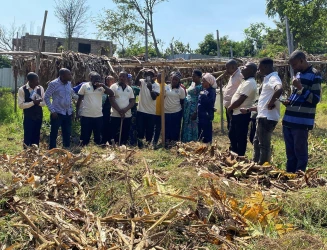
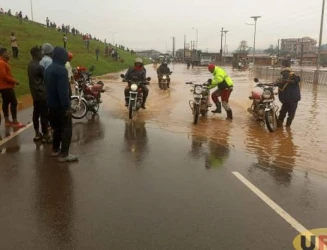
For communities in Kampala and across Africa, these indirect environmental impacts can translate into worsening droughts, floods, and food insecurity — all of which are tied to climate change.
🌍 A Call for Peace and Planet
Understanding the environmental consequences of war highlights why peace is critical not just for human well-being but for the health of our planet. Conflict-driven destruction pushes ecosystems closer to tipping points, compounds climate change, and makes a sustainable future harder to achieve. As we work toward environmental protection, peace and climate stability go hand in hand.